
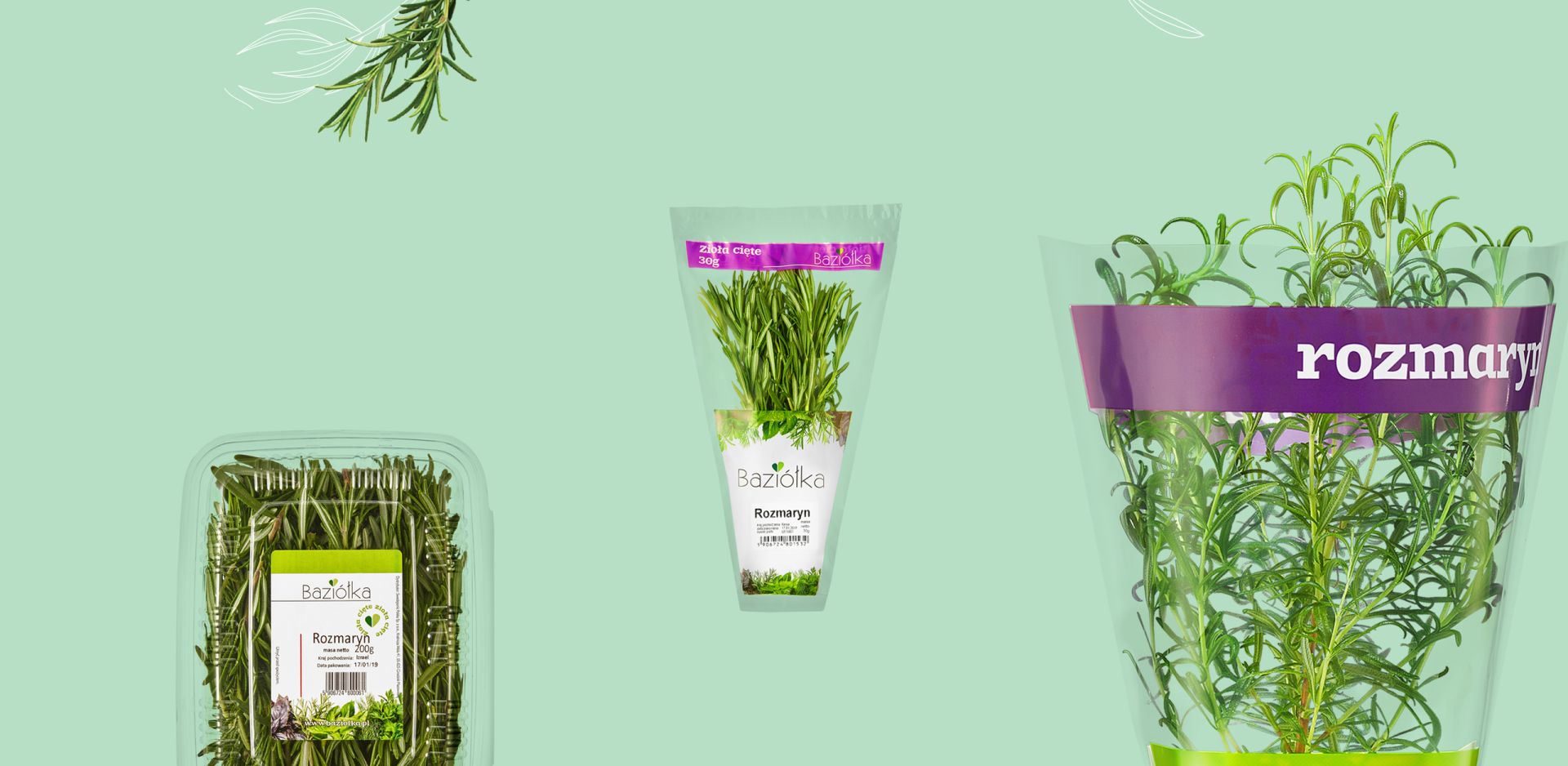
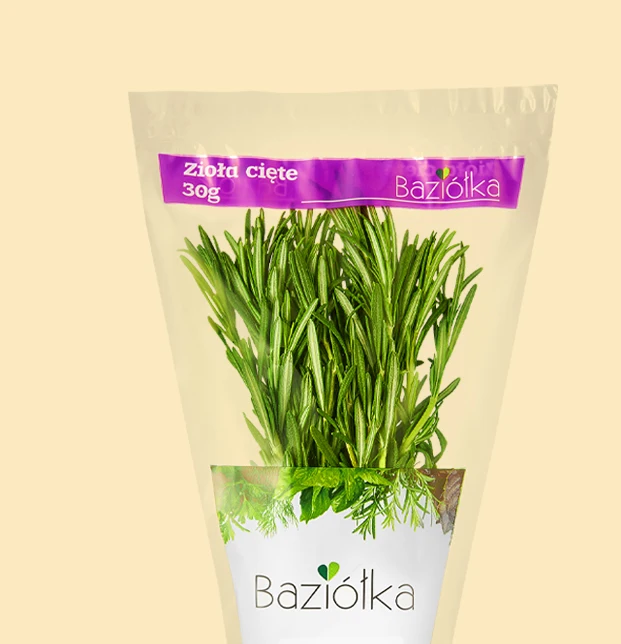
Rosemary
Rozmiary:
L30 | 100 | 200 | 500 I 1000 G
Rosemary is a small shrublet growing up to 1m height. It has blue-green leaves with the white underside. It has a strong, bitterish, slightly pine-like taste. Very aromatic. Its forest fragrance is a perfect match for grilled dishes. It is also good for desserts. Apart from the culinary uses, rosemary oil is used for beauty products, such as body balms, perfumes and mists.
Historia
The plant comes from the southern Europe and the Mediterranean Region. Rosemary was used by many different cultures for preserving meat and due to its richness in essential oil. Its name comes from "ros maris," which in Latin means "fresh sea breeze." The ancient Greeks used to say that rosemary was the herb of memory. The plant is also an ingredient of a pantry moth repellent potpourri.Warunki uprawy
Roślina doskonale nadaje się do uprawy w doniczce na kuchennym parapecie. Potrzebuje umiarkowanego nawodnienia, warstwy drenażu – w tej roli świetnie sprawdzi się żwir na dnie doniczki – oraz dużo słońca. Ogólnie dostępny dzisiaj rozmaryn w doniczce wywodzi się z regionu Morza Śródziemnego, dlatego najlepiej zapewnić mu warunki zbliżone do naturalnych, czyli przede wszystkim pełne nasłonecznienie. Im więcej słońca, tym lepiej!Apart from its flavour, rosemary has beneficial effects on our health.
Firstly, it has anti-diabetic properties. Studies have confirmed that this inconspicuous plant lowers the glucose level in blood. Secondly, it can soothe stomachaches and indigestion. Another important benefit of rosemary is liver detoxifying property. Rosmarinic acid found in the plant has also relaxing and anti-stress effect.