
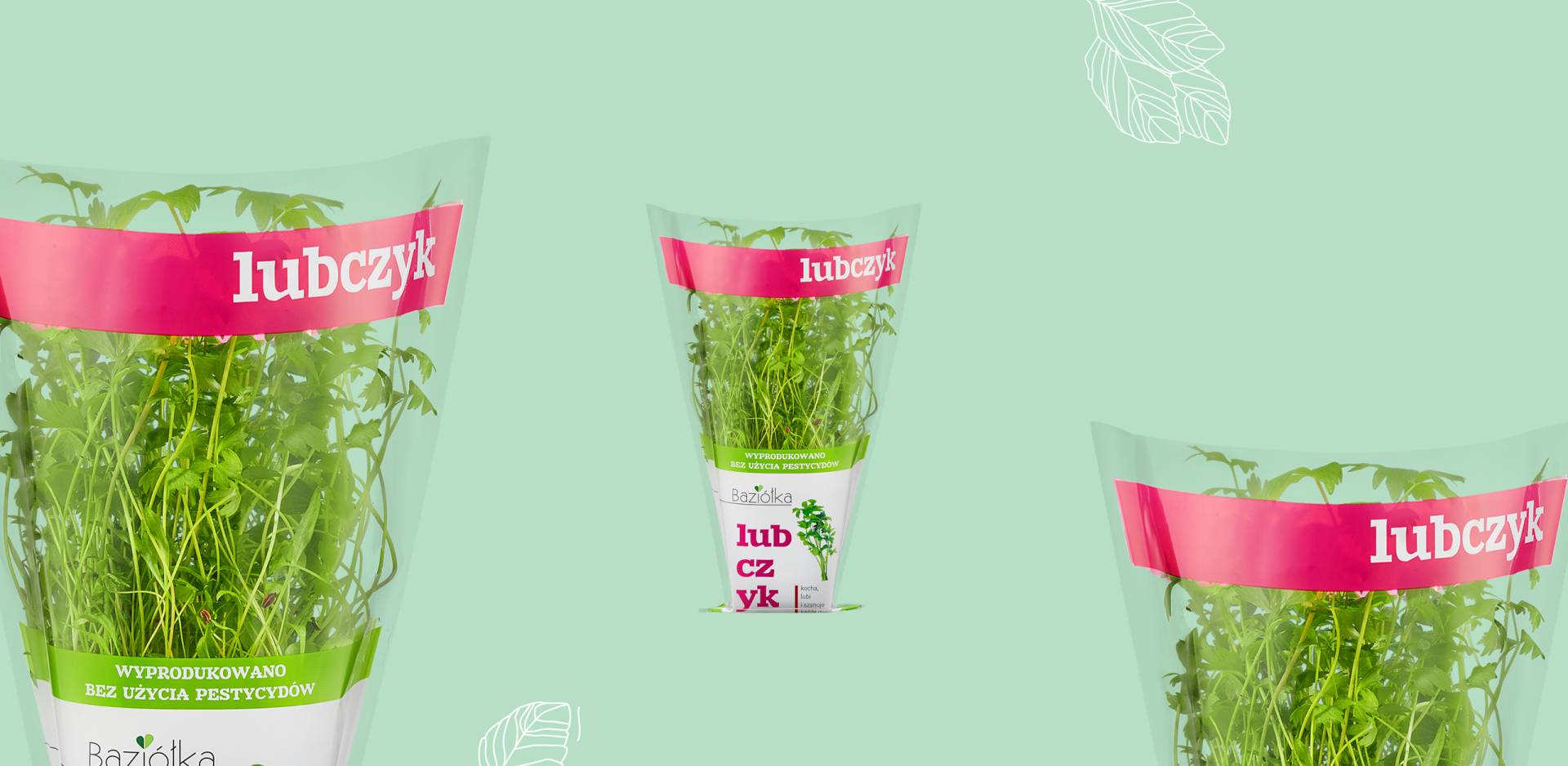
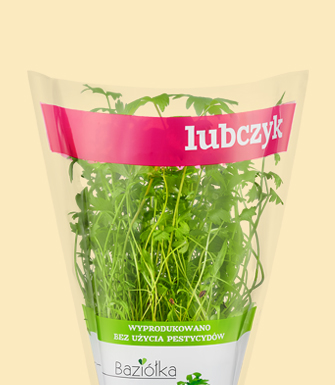
Lovage
Rozmiary:
L
Its green, toothed leaves are similar to the leaves of celery. The stems are hollow inside. The fresh leaves are distinguished by a sharp, yeasty or musky taste with a palpable note of lemon and celery. It is most often used for broths, soups, flavoured vinegars.
Historia
It was introduced to Europe by the Romans hundred of years ago. In the ancient times, it was considered one of the natural aphrodisiacs. Today it is primarily used in the Southern and Central Europe.Warunki uprawy
Roślina lubi stanowiska jasne i słoneczne dlatego balkon lub kuchenny parapet od południa będzie dobrym miejscem na jej uprawę. Warto jednak pamiętać, że lubczyk wydziela bardzo intensywny zapach. Im więcej ciepła, tym częściej lubczyk w doniczce trzeba regularnie i dość obficie podlewać. Ziele nie lubi jednak przelewania, dlatego należy uważnie obserwować ziemię i dostosować ilość wody do zapotrzebowania rośliny.Lovage supports the urinary and digestive systems.
It prevents bloating and facilitates digestion, that is why it is recommended to add the herb to stodgy meals. It has expectorant properties, which is why it is used as a remedy for airway infections.